
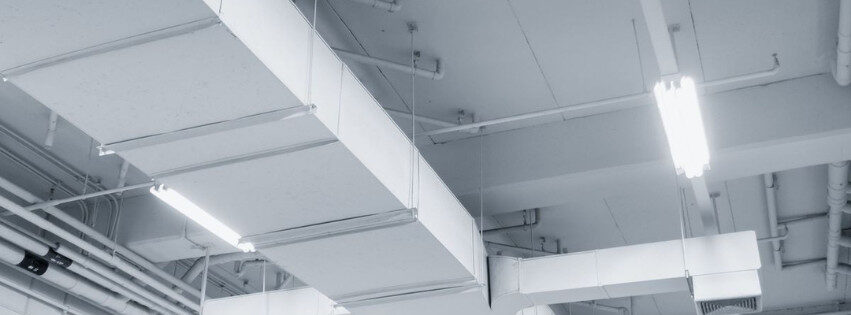
Everything You Need to Know Before Buying a T8 LED Tube
When it comes to lighting, most people focus on style, brightness, and cost but when you’re choosing a T8 LED tube, there’s more to consider. For many, the terms “CCT,” “single-ended,” or “double-ended” sound overly technical, but understanding them can save you money, improve lighting quality, and make installation much smoother.
A T8 LED tube is a modern, energy-efficient replacement for traditional fluorescent tubes. Measuring just 1 inch in diameter, these tubes are popular for their bright, consistent light output and long lifespan. The ‘T8’ designation refers to the bulb diameter, with ‘T’ indicating a tubular shape and ‘8’ meaning eight-eighths of an inch, or one inch diameter. This is a standard size, with other tube sizes like T5 (5/8 inch) and T12 (1.5 inch) also common in fluorescent lamps. Unlike fluorescent lights, which rely on gas and mercury, T8 LED tube use advanced LED technology. This makes them eco-friendly, flicker-free, and safer for both the environment and your household.
When shopping for a T8 LED tube, size matters. The most common lengths are 2ft and 4ft and it’s essential to match the tube length to your existing fixture. But length is just the start. Tube sizes, such as T8 and T12, are important for identifying the correct fit for your fixture, as these are common types of fluorescent lamps found in many ceiling and tube lighting applications. You’ll also need to think about wiring compatibility. Some tubes are single-ended, meaning power is supplied from one end only, while others are double-ended, receiving power from both ends. Each type has its own installation process, so checking your fixture wiring before purchase is key. For many LED tubes, installation may require a ballast bypass (also called a bypass), where the fluorescent ballast is removed and the LED tube is wired directly to line voltage. This involves connecting the correct wires and ensuring the electrical current flows safely, which is crucial for proper operation.
Another major factor is CCT: Correlated Color Temperature. This tells you whether the light will appear warm, neutral, or cool. A warm white (around 3000K) creates a cozy, inviting atmosphere, perfect for living rooms or bedrooms. Neutral white (4000K) provides balanced lighting for general use, while cool white or daylight (6000K–6500K) offers a crisp, bright light ideal for offices, retail spaces, and task lighting. Alongside CCT, brightness is measured in lumens — the higher the lumens, the brighter the light. Luminous flux, measured in lumens, is a key metric for comparing the brightness of different lamps and bulbs.
When considering compatibility and installation, it’s important to know the common types of T8 LED tubes: Type A (ballast compatible, works with existing electronic ballast), Type B (ballast bypass, connects directly to mains power), and Type C (uses an external driver). Electronic ballasts are typically used with Type A tubes, while magnetic ballasts are found in older fixtures and may require replacement or bypassing. Some installations may require new ballasts or rewiring for safe and efficient operation.
Energy efficiency is one of the biggest advantages of switching to T8 LED tube. They consume up to 50–60% less energy compared to traditional fluorescent tube lights. This means fewer replacements, lower maintenance costs, and significant energy savings on electricity bills. Replacing old fluorescent lamps with LED lights offers many advantages, including longer lifespan and reduced environmental impact. Some models are even dimmable or designed to perform well in extreme temperatures, making them suitable for a variety of environments.
T8 LED tubes are suitable for ceiling fixtures and tube lighting applications in both commercial and residential settings.
Choosing the right T8 LED tube doesn’t have to be overwhelming. By focusing on size, wiring type, CCT, brightness, and energy efficiency, you can find a tube that meets your needs perfectly. Whether you’re upgrading your office lighting, brightening your shop, or making your home more energy-efficient, the right T8 LED tube will ensure brighter spaces, lower costs, and a greener footprint for years to come. Upgrading to T8 LED tubes involves replacing outdated fluorescent tube lights, often requiring new ballasts or a ballast bypass, and proper installation ensures the tubes will illuminate efficiently and safely.
LED Tube Installation
Swapping out those old fluorescent tubes for LEDs doesn’t have to feel overwhelming. You’re making a smart choice that’ll save you money and give you better light. But here’s the thing—safety comes first, no matter how simple this seems. Before you touch anything, head to your electrical panel and flip that breaker off. Trust me, working with live electricity is never worth the risk.
Getting started is pretty straightforward once the power’s off. Gently remove that old fluorescent tube—they can be fragile, so take your time. Now comes the part where people sometimes get confused: checking what you’re working with. Some LED tubes drop right into existing fixtures without any fuss. Others need you to do a bit of rewiring or bypass the ballast entirely. Don’t guess here—grab those manufacturer instructions and see what your specific tube needs.
When you’re ready to put the new LED tube in place, make sure it sits snugly in those sockets. You’ll feel it when the pins line up correctly. Take a moment to double-check everything before you flip that power back on. If your setup requires bypassing a ballast or doing any rewiring, this might be a good time to call in an electrician. It’s not about whether you can handle it—it’s about making sure everything meets safety standards.
You’re going to love the difference once everything’s up and running. The light is cleaner, your energy bill will thank you, and you won’t be dealing with flickering or that annoying hum anymore. Taking the time to do this installation right means you’ll get years of reliable, bright light. Plus, you’ll have the peace of mind that comes from knowing it was done safely.

Hello there, just became alert to your blog through Google, and
found that it is really informative. I am going to
watch out for brussels. I’ll appreciate if you continue this in future.
Numerous people will be benefited from your writing.
Cheers!
Your writing doesn’t just inform — it embraces, uplifts, and invites the reader to linger and reflect.