Solar Lighting: The Ultimate Consumer FAQ
Q1: “I’ve heard solar lights die after a few hours. How long will these actually stay bright?”
A: The “all-nighter” capability depends on the Battery-to-Panel ratio.
High-quality solar lights are designed with a 1:1 or better charging ratio, meaning 6–8 hours of sunlight provides 10–12 hours of light.
Look for lights with Intelligent Power Management (IPM), which automatically dims the light when battery levels are low to ensure you aren’t left in the dark at 3:00 AM.

Q2: “What happens during the rainy season or on cloudy days in Malaysia?”
A: Modern solar technology doesn’t need “direct” scorching sun to charge; it needs UV radiation, which penetrates clouds.
However, the charging speed is slower. To combat this, we use Mono-crystalline solar panels (which are 20% more efficient than older poly-crystalline versions) and PIR Motion Sensors that keep the light at 30% brightness, only jumping to 100% when movement is detected.
Q3: “Will a solar floodlight be as bright as my current electric one?”
A: Yes, but you must look at Lumens, not Watts.
A standard 100W halogen bulb produces about 1,500 lumens. When choosing a solar light, check the “Luminous Efficacy.”
High-end solar LEDs now reach 160lm/W, meaning a compact solar fixture can easily match or exceed the brightness of traditional wired floodlights.

Q4: “I’m worried about the battery failing after a year. Is this a long-term investment?”
A: It depends on the “heart” of the light.
Cheap solar lights use Lead-acid or standard Li-ion batteries.
For a professional-grade setup, ensure the light uses LiFePO4 (Lithium Iron Phosphate) batteries.
These are rated for over 2,000 charging cycles (approx. 5–7 years) and can handle the high ambient temperatures of Malaysia without degrading.
Q5: “Can these lights survive a tropical thunderstorm?”
A: Outdoor solar lights must have an IP65 or IP66 rating.
This ensures the housing is dust-tight and protected against powerful water jets. Additionally, professional fixtures use Die-Cast Aluminum with anti-corrosion coating rather than plastic, preventing the casing from becoming brittle under constant UV exposure

The Pro-Buyer’s “Solar Shield” Checklist
Before you spend your money, ensure the product box or technical datasheet contains these three non-negotiables. If it doesn’t, you are likely buying a disposable product.
| Feature | Why It Matters | What to Look For |
| 1. The Battery | Prevents “planned obsolescence” and overheating. | LiFePO4 (Lithium Iron Phosphate) |
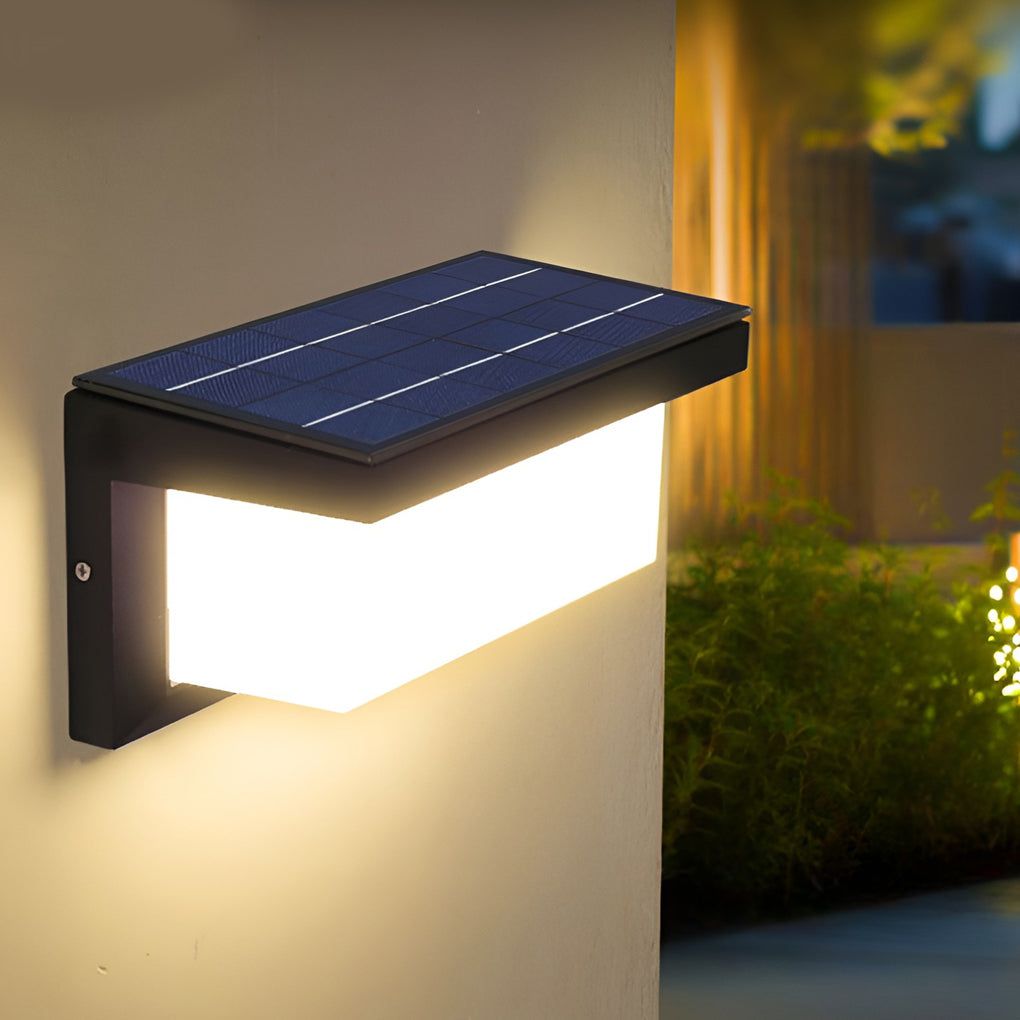
| 2. The Panel | Ensures charging even on overcast Malaysian days. | Monocrystalline (Look for the uniform black/dark blue cells) |
| 3. The Housing | Stops water ingress and corrosion from humidity. | IP65 or IP66 Rating + Die-Cast Aluminum |
The “Expert’s Secret”
Many consumers worry about the “dimness” of solar lights because they mount them too high.
Because solar lights usually rely on built-in batteries, every meter of mounting height significantly reduces the lux level on the ground.
Recommendation: If you want a security floodlight effect, mount your unit between 3 to 4 meters high. Any higher, and you lose the beam intensity needed to trigger those PIR sensors effectively.
References & Statements of Support
| Statement | Technical Reference / Source |
| Battery Life (LiFePO4) | IEC 62133 Standards: Defines the safety and cycle life of secondary lithium cells. LiFePO4 is cited as having superior thermal stability and a cycle life 4–5x longer than traditional Li-ion (NMC). |
| Weatherproofing (IP Rating) | IEC 60529: The international standard for “Degrees of Protection.” IP65 specifically confirms protection against water jets from any angle, essential for tropical rain. |
| Luminous Efficacy | IESNA (Illuminating Engineering Society): Provides the LM-79 and LM-80 testing reports which measure the actual lumen output and lumen maintenance of LEDs over time. |
| Panel Efficiency | Photovoltaics Report (Fraunhofer ISE): Confirms that Monocrystalline Silicon (Mono-si) cells maintain higher efficiency levels in low-light/diffuse light conditions compared to Polycrystalline. |
| Charging Logic | Smart Lighting Controller Tech: References to MPPT (Maximum Power Point Tracking) controllers, which optimize the power extraction from the solar panel under all conditions. |