The Solar Lighting Trap: Why Your Solar Lights Stop Working (And How to Pick the Ones That Don’t)
Switching to solar lighting feels like a “no-brainer.” It’s free energy, eco-friendly, and involves zero wiring.
But for many homeowners and facility managers in Malaysia, the excitement often fades after a few months when the lights begin to dim, flicker, or die shortly after sunset.
The truth? Not all solar lights are created equal. To help you avoid the “disposable solar” trap, we’ve broken down the most common problems and the professional-grade solutions you should look for before you buy.

The Comparison: Generic vs. Professional Grade
| The Common Problem | The Professional Solution | The Benefit to You |
| Dead by Midnight: The light only lasts 3–4 hours after a full day of sun. | High-Capacity LiFePO4 Batteries | Reliable illumination that lasts from dusk until dawn (10–12 hours). |
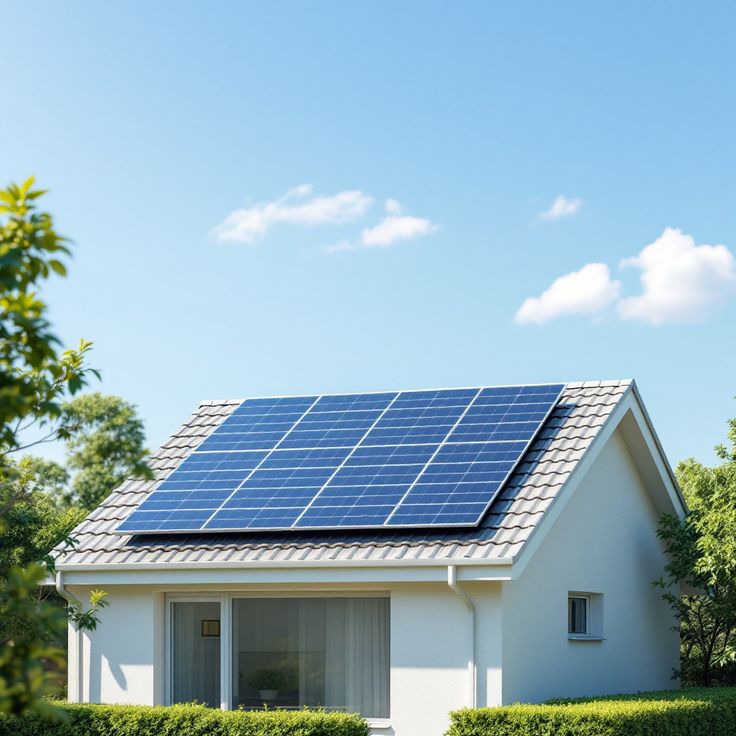
| “Cloudy Day” Failure: The light won’t charge during the rainy season. | Monocrystalline Solar Panels | Higher UV conversion rates, allowing the battery to charge even on overcast days. |
| Brittle & Yellowing Casing: Plastic housings crack under the intense Malaysian sun. | Die-Cast Aluminum + UV-Resistant Lenses | A rugged, heat-dissipating exterior that lasts for years without degrading. |
| Water Leakage: Heavy rain causes internal short-circuits and rust. | IP65/IP66 Waterproof Rating | Complete protection against tropical downpours and high humidity. |
The Technical Truth: Why Quality Matters
- The “Heart” of the Light: LiFePO4 vs. Traditional Lithium
Most budget solar lights use Lithium-ion (NMC) or old Lead-acid batteries. In our tropical climate, these batteries struggle with heat.
- The Solution: Lithium Iron Phosphate (LiFePO4) is the gold standard. It is thermally stable, meaning it won’t degrade in the 35°C+ Malaysian heat, and it supports over 2,000 charge cycles.
- Reference: According to IEC 62133 standards, LiFePO4 cells offer superior safety and cycle life compared to other lithium chemistries, making them the only viable choice for long-term outdoor use.

- Harvesting Energy: The Panel Efficiency
A solar light is only as good as its ability to catch the sun. Cheap “polycrystalline” panels (identifiable by their blue, speckled look) lose efficiency quickly in low-light conditions.
- The Solution: Monocrystalline panels (solid black) have a much higher silicon purity.
- Reference: The Fraunhofer Institute for Solar Energy Systems (ISE) reports that monocrystalline silicon cells consistently achieve higher conversion efficiencies (20%) particularly in diffuse light (cloudy) conditions compared to polycrystalline alternatives.

- Surviving the Monsoon: IP Ratings
In Malaysia, “water-resistant” isn’t enough. You need “waterproof.”
- The Solution: Look for an IP65 or IP66 rating. This ensures the unit is sealed against dust and high-pressure water jets.
- Reference: IEC 60529 (International Protection Marking) defines IP65 as “dust-tight” and protected against water projected from a nozzle, which is a mechanical necessity for fixtures exposed to tropical storms

Final Pro-Buyer Checklist
Before you add that solar light to your cart, check the specs for these three “Must-Haves”:
- Battery Chemistry: Must be LiFePO4.
- Panel Type: Must be Monocrystalline.
- Housing Material: Look for Die-Cast Aluminum and an IP65 rating.
Investing in quality today means you won’t be replacing your “eco-friendly” lights every six months. Choose engineering over a low price tag, and enjoy lighting that actually works when the sun goes down.
References & Industry Standards
- Battery Standards: IEC 62133 – Secondary cells and batteries containing alkaline or other non-acid electrolytes.
- Ingress Protection: IEC 60529 – Degrees of protection provided by enclosures (IP Code).
- Photovoltaic Performance: Fraunhofer ISE Photovoltaics Report (Efficiency benchmarks for Mono-si vs. Poly-si).
- LED Testing: IESNA LM-79 & LM-80 (Standards for measuring lumen maintenance and electrical/photometric properties).